Loading
Loading...
Sto caricando il blog
Quasi pronto...
 

Do you know that in 2024 we will build a base on the Moon?

You really don’t know?

It is strange how, with all this communication, hardly anyone knows that we will return to the Moon and we will do it to return and above all to … also build a base …! Really…! I am very happy …! But when I talk to people about it, no one knows and often they don’t believe it, on the contrary … they say we never even went there …!

Will we really go to the moon?
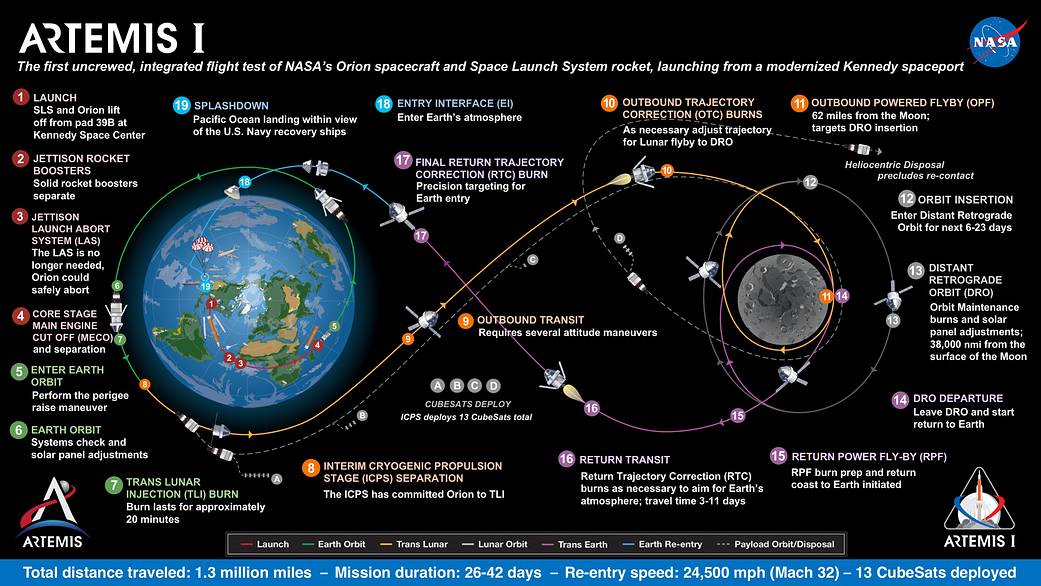
Mappa della missione Artemis I

Aside from the conspiracy theorists, yes, we will build a base on the moon! We should go there by 2024, maybe 2025, but we will go and go with NASA’s Artemis missions. The Artemis program is named after Apollo’s sister goddess, Apollo who gave the name to the old missions that went to the moon.

Furthermore, in addition to going back to the Moon after half a century, we also want to go there to build a stable base south of our satellite. This will serve for a whole series of things, including being able to have propellant for new missions, being able to have water to be able to live on the Moon for a long time.

We will have a couple of stages

Before setting foot on the Moon, we will first do some tests by circling the Moon and we will only look at it from the porthole of the spaceship at a distance of 62 miles.

In a second moment we will land and we will do it by going back and forth from the earth with a spacecraft, called Gataway, which will orbit the Moon and then drop a second spacecraft onto the satellite and back, using it as an elevator.

Meanwhile, probes and automatic robots, such as rovers, will begin to bring building material to the moon to install the new moon base.

The lunar base

Over the next decade, hopefully, we will have a colony of humans on the moon on a permanent basis. The base will be based in the south pole of our satellite, because there we will have the possibility of having water, hydrogen to be able to live and have the possibility of creating propellant directly on the Moon, for future missions to Mars.

Who will go there?

The project is from NASA, but “everyone will go there” including us Italians. The project is to use these missions also to create peace between our nations, so much so that there will be American, Canadian, Russian, European, Indian and perhaps even Chinese space agencies. The construction of the base will be made from modules built in many different countries. At the level of astronauts, on the other hand, we will have more and more astronauts of different nationalities in space, because we will need many people who will go to work on the Moon also thanks to the construction of a lunar economy.

As the name Artemis is female, the first person to set foot on the Moon will be a female astronaut. This is to give a signal of change as it was with Neil Amstrong because he was a civilian instead of a military man. I cheer for our Italian Samantha Cristoforetti and I am pleased that at the moment we are building a module at Salenia as Italians.

Sources
Programma Artemis – WikiPedia

Sito ufficiale programma Artemis – NASA

Stephen Kleckner

Stephen Augustus Kleckner is an Italian entrepreneur and former IT systems engineer. Born in Riccione and raised between Romagna and Liguria, he developed from an early age an independent and curious view of the world. After a career in technology and systems analysis, he now operates in the short-term rental sector, combining technical expertise with entrepreneurial experience. He founded RICCIONE TV and worked in digital communication and video production. He also served in the Italian Air Force and attended university-level physics courses. Passionate about the sea and sailing, he has logged over 50,000 nautical miles and circumnavigated Italy multiple times. He swims regularly, practices trekking, and enjoys nature and skiing. He has a strong interest in physics, scientific thinking, and understanding complex phenomena. He maintains a critical approach to pseudoscience, fake news, and extremism, favoring explanations grounded in verifiable evidence. Among his personal interests are LEGO, Star Trek, and vintage cars, particularly a 1964 Mini Morris. Through his blog, he shares reflections, real-life experiences, and analysis on science, relationships, and contemporary reality, with a direct and unfiltered approach.

Leave a Reply

Your email address will not be published. Required fields are marked *

Next Post

60th Genoa International Boat Show

Tue Oct 6 , 2020
Indice dei contenutiMostraI went to the 60th Genoa International Motor ShowPhoto galleryI went to the 60th Genoa International Motor Show Some friends came to see me and we had decided to go to the boat show on Saturday morning. Unfortunately, we already knew from Friday that the show would be […]
Stephen Kleckner su barcavela primadonna Mylius 80 Stephen Kleckner al 60° Salone Nautico Internazionale di Genova

You May Like

Questo blog è scritto da:

Stephen Augustus Kleckner

Stephen Augustus Kleckner è un imprenditore italiano ed ex sistemista informatico. Nato a Riccione e cresciuto tra Romagna e Liguria, ha sviluppato fin da giovane una visione indipendente e curiosa del mondo. Dopo un percorso nella tecnologia e nell’analisi dei sistemi, oggi opera nel settore degli appartamenti ad uso turistico, affiancando competenze tecniche a esperienza imprenditoriale. Ha fondato RICCIONE TV e ha lavorato nella comunicazione digitale e nella produzione video. Ha svolto il servizio militare nell’Aeronautica Militare e ha seguito corsi universitari di fisica. Appassionato di mare e navigazione, ha percorso oltre 50.000 miglia a vela e circumnavigato più volte l’Italia. Pratica nuoto e trekking, ama la natura e lo sci. È profondamente interessato alla fisica, al pensiero scientifico e alla comprensione dei fenomeni complessi. Mantiene uno sguardo critico su pseudoscienza, fake news ed estremismi, privilegiando sempre spiegazioni basate su evidenze verificabili. Tra le sue passioni personali ci sono i LEGO, Star Trek e le auto d’epoca, in particolare una Mini Morris del 1964. Nel suo blog condivide riflessioni, esperienze reali e analisi su scienza, relazioni e realtà contemporanea, con un approccio diretto e senza filtri.

error: Il contenuto è protetto... :)